


 Arsenal


/https%3A%2F%2Fsportsmole-media-prod.s3.gra.io.cloud.ovh.net%2Fuploads%2F2026%2F03%2Fns-photo-badge-email-sportmole-53-69c6dda52fb96536180945.jpg?w=360&resize=360,180&ssl=1 "Barcelona confirm bitter injury blow for Raphinha, with attacker set to miss a host of key matches")




/https%3A%2F%2Fsportsmole-media-prod.s3.gra.io.cloud.ovh.net%2Fuploads%2F2026%2F03%2Farne-slot-mo-salah-correspondent-email-sportmole-2026-03-27t014742-837-69c5e1cc17374957189671.jpg?w=360&resize=360,180&ssl=1 "Man United transfer news: Midfield ‘agreement’ reached as Michael Carrick looks for reinforcements in crucial summer window")






/https%3A%2F%2Fsportsmole-media-prod.s3.gra.io.cloud.ovh.net%2Fuploads%2F2026%2F03%2Frudiger-69c331de6d65b529905497.jpg?w=360&resize=360,180&ssl=1 "Man United, Liverpool ‘explore’ summer move for Real Madrid star – but face competition from Juventus")





Luis Enrique educated on the Mareo college, from which he was even discarded for being “small and skinny” earlier than returning after turning into concerned in scoring targets for La Braña, his neighborhood crew.
In that Sporting that also had a decent financial system, his wage of 20,000 pesetas (about 120 euros) match higher with the wage scale of a younger apprentice than with the cliché of the First Division star.
These years have been measured extra in bus kilometers than in zeros on the present account. Sophisticated fields, modest diets and a contract that hardly assured stability outlined the lifetime of a footballer who nonetheless didn’t know if soccer can be the longer term or only a youthful parenthesis.
The scene that condenses Luis Enrique’s life flip suits into a listing. “After I obtained my first wage as a footballer, it was 165,000 pesetas; I had solely earned 20,000,” he himself stated, nonetheless with astonishment in his voice regardless of the time that had handed.
That payroll was not a whim: it was direct to his dad and mom, to assist pay the curiosity on the household house, a gesture that explains as a lot as any objective who that boy was who was climbing the steps at full pace.
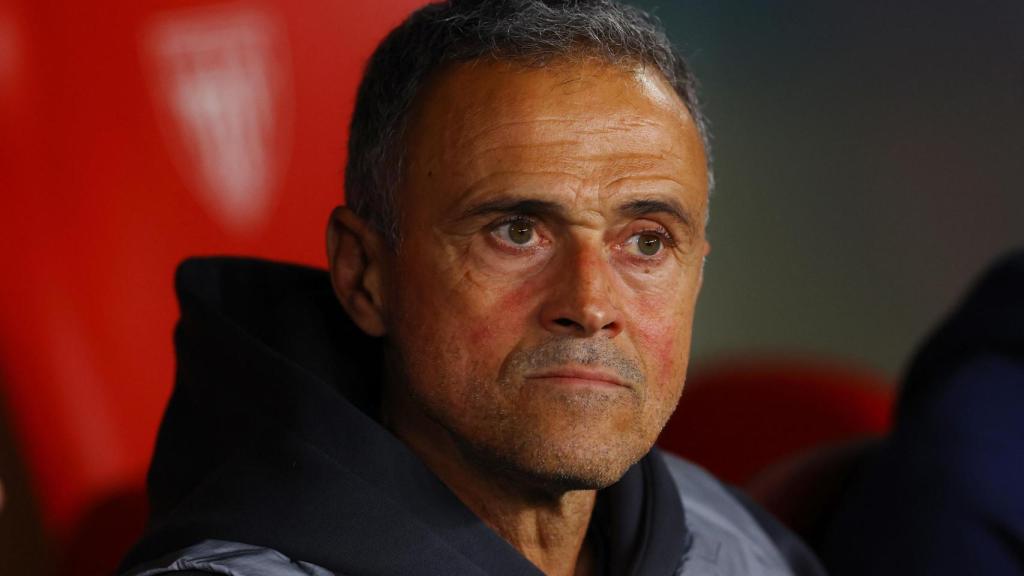
Luis Enrique, on the San Mamés bench throughout Athletic – PSG.
Reuters
In Gijón, Luis Enrique had shared a dressing room with membership establishments akin to Ablanedo, Jiménez and Joaquín, with no extra armor than his aggressive nature and a versatility that was already rising.
In Madrid, he found a radically different ecosystem: international stars, daily media pressure and a club that expected immediate returns for every peseta invested.
The token of 160,000-165,000 pesetas per month placed him in another dimension, but did not erase his origin. The same player who was excited to see that amount in his account kept remembering that, not long before, any delay in paying the apartment could become a family concern.
The story that goes from Sporting’s 20,000 pesetas to Real Madrid’s 160,000 pesetas sums up a collective transformation, not just a personal one.
At the beginning of the nineties, the Spanish League began to experience an economic boom that multiplied salaries, clauses and expectations, and the case of Luis Enrique became an example of how the youth team could translate into million-dollar assets.
Today, the figures surrounding the Asturian as a coach are measured in millions of euros, an almost implausible contrast with that first salary of 20,000 pesetas in Mareo.
But, behind the numbers, the same original image remains: a neighborhood kid who, before thinking about cars or luxuries, used his first big salary to help pay his house mortgage.



.jpg?w=120&resize=120,86&ssl=1 "Chelsea Players Salaries 2025 (Weekly Wages) – CFC Highest paid 2025/26")


